Getting to and Around Edinburgh During the Fringe 2026: Trains, Trams, Buses, and Your Own Two Feet
Getting to and Around Edinburgh During the Fringe 2026
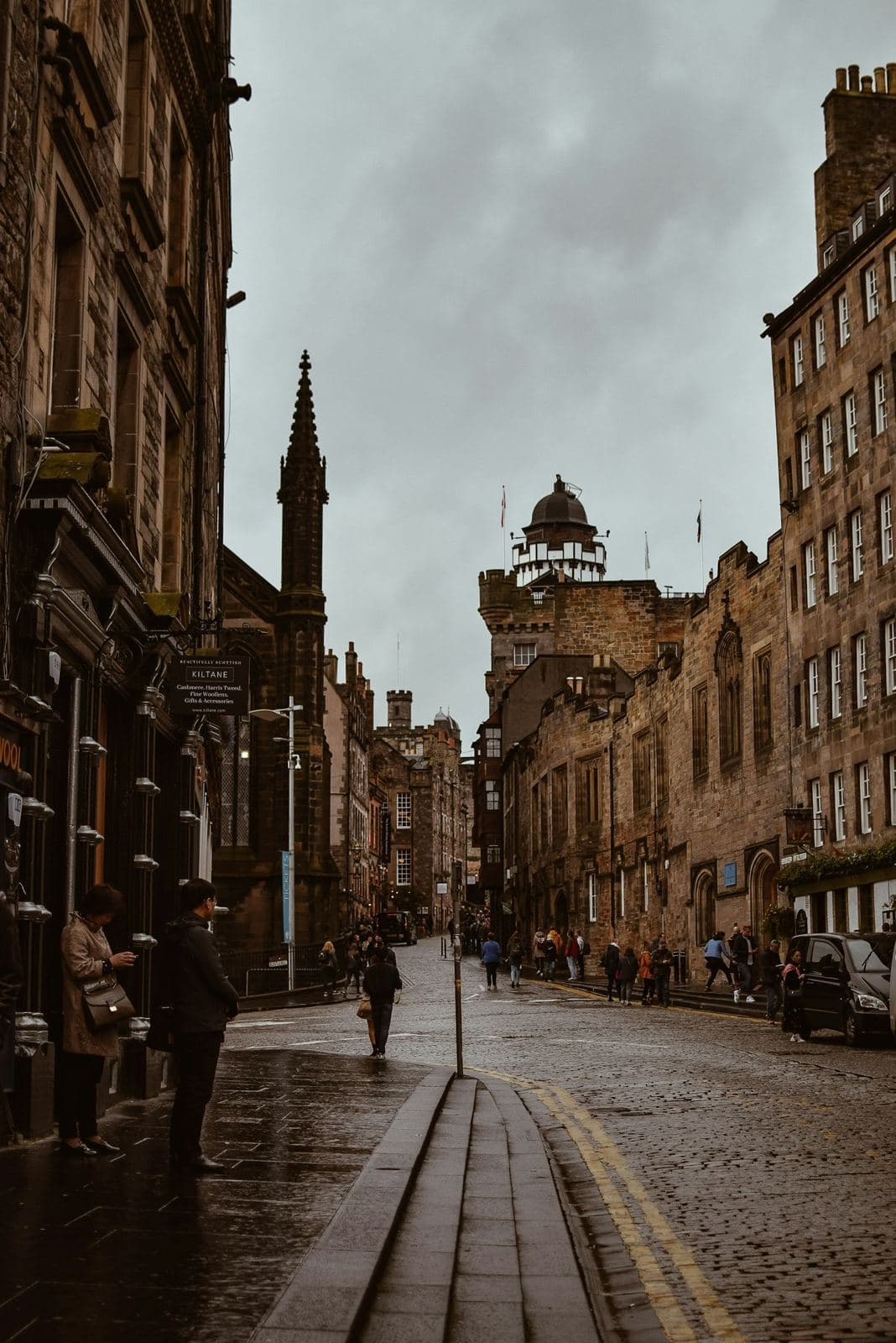
Every August, Edinburgh roughly doubles in population. The Fringe (7-31 August 2026) drops hundreds of thousands of extra people into a compact, hilly, medieval city centre - and how you move through it shapes your whole festival. The good news: Edinburgh is one of the easiest cities in the UK to navigate without a car. The better news: most of what you'll want to see is within a 25-minute walk of the Royal Mile.
Here's how to get to the city, and how to get around it once the festival swallows the streets.
Getting to Edinburgh
By train: the pleasant option
Edinburgh has two central stations: Waverley, right between the Old and New Towns and about five minutes on foot from the Royal Mile, and Haymarket, at the West End. From London, direct trains take around 4.5 hours up the scenic East Coast line; direct services also run from Glasgow (under an hour), Newcastle, York, Manchester, Birmingham, and beyond.
The catch in August: trains sell out and prices climb steeply close to travel dates. Book as far ahead as you can - advance fares are released roughly 12 weeks out, and festival-week trains are among the busiest of the year. If your dates are flexible, mid-week arrivals are cheaper and calmer than Fridays and Saturdays.
By air: fast, then one easy hop
Edinburgh Airport (EDI) sits about eight miles west of the centre and is well connected to Europe and North America. From the terminal you have two simple public transport options into town:
- The tram runs from the airport right through the West End and Princes Street and on towards Leith and Newhaven. Expect roughly 30-35 minutes to the city centre, with frequent departures from early morning until late evening.
- The Airlink 100 express bus covers a similar route to Waverley Bridge and runs through the night - useful for late arrivals when the trams have stopped.
Taxis and ride-hailing are available but, in August traffic, often slower than the tram and several times the price.
By coach: the budget play
Long-distance coaches from London and other UK cities arrive at the bus station on Elder Street, just off St Andrew Square - a five-minute walk from Princes Street. Journeys from London take 9-10 hours (overnight services exist), but fares can undercut the train dramatically. If you're doing the Fringe on a tight budget, this is where the savings start.
Driving: honestly, don't
Central Edinburgh in August is a slow-motion obstacle course of closed streets, diverted buses, and pedestrians spilling off pavements. Parking is scarce and expensive, and many accommodations have none at all. If you must drive, use one of the park and ride sites on the city edge (Ingliston, next to the tram line, is the classic choice) and come in by tram or bus. Your future self, idling behind a delivery van on a closed-off cobbled street, will thank you.
Getting around during the festival
Walking: the real Fringe transport network
Here's the secret that no transport app tells you: during the Fringe, walking is almost always fastest. The festival's core - the Royal Mile, Cowgate, George Square, Bristo Square, George Street - fits inside roughly one square mile. Crossing the whole festival zone on foot rarely takes more than 25 minutes.
Some walking realities to plan around:
- It's hilly. The Old Town sits on a ridge; getting between the Royal Mile and the Cowgate or Grassmarket usually involves steep closes and stairs.
- Cobbles are everywhere. Comfortable, broken-in shoes matter more than any bus ticket.
- Crowds slow you down. The Royal Mile at 2pm in August moves at shuffle pace. If you're in a hurry, parallel streets (Market Street, Chambers Street, the Cowgate) are quicker than the Mile itself.
- Allow 15-20 minutes between shows at different venues, even when the map says ten. Queues, crowds, and one-way venue entrances eat time.
Buses: your friend for everything beyond the centre
Lothian Buses runs a dense network across the city, and it's how locals actually get around. Buy tickets in the app or simply tap a contactless card or phone as you board - fares are capped daily, so you'll never pay more than the day-ticket price no matter how many times you ride. Exact-change cash fares still exist but are the slowest option.
Buses are most useful for reaching accommodation outside the centre (Leith, Newington, Morningside, Portobello) and for the airport run. During August, expect diversions around the Old Town - check the app rather than assuming your usual stop is in service.
Night buses run through the small hours on main routes - a lifesaver after a late comedy show, and far cheaper than surge-priced ride-hailing.
Trams: one line, surprisingly useful
Edinburgh's single tram line runs from the airport through Haymarket, along Princes Street, then down Leith Walk to Ocean Terminal and Newhaven. If your accommodation is near that corridor - West End, New Town, Leith - it's fast, frequent, and immune to most festival road closures. Tap on and tap off with contactless, and remember that airport journeys are priced higher than city journeys.
Taxis and ride-hailing: for edge cases
Black cabs and app-based services all operate in Edinburgh, and they're the right call for luggage, late-night journeys to far-flung accommodation, and some accessibility needs (all black cabs are wheelchair accessible). But in the festival core they fight the same closures and crowds as everyone else, prices surge on busy evenings, and pick-up points near the Royal Mile can be a walk in themselves. For journeys within the centre, your feet will usually beat them.
Cycling: doable, with caveats
Edinburgh has a growing network of cycle paths, and quiet routes along the Water of Leith or the old railway paths are genuinely lovely. But the festival core in August - hills, cobbles, tram tracks, and dense crowds - is not relaxed cycling territory. If you ride, plan routes around the centre rather than through it, and bring a good lock.
Festival road closures: the city rearranges itself
Every August, Edinburgh closes parts of the Old Town to traffic to make room for the festival. Expect the High Street section of the Royal Mile to be pedestrianised during the day for street performances, along with restrictions on surrounding streets - and closures around the Castle Esplanade for the Royal Edinburgh Military Tattoo, which runs on the same dates. The practical effects:
- Buses divert off their normal Old Town routes.
- Taxis can't drop you at the door of many venues - agree a nearby corner instead.
- Journey times by road roughly double for anything crossing the centre.
None of this is a problem if you plan around it: treat the Old Town as a walking zone, and use buses and trams for the journeys that start or end outside it.
Putting it together: a sample festival day
- Morning: Bus or tram in from your accommodation; coffee near your first venue.
- Daytime: Everything on foot - shows, street performances, food between venues. Build in those 15-20 minute buffers.
- Evening: Last show ends late in the Cowgate; walk up to a night bus stop on North Bridge or Princes Street, or split a taxi if you're staying further out.
Quick answers
How early should I book trains for Fringe 2026? As soon as your dates are fixed - ideally when advance fares open about 12 weeks before travel. August trains to Edinburgh genuinely sell out.
Is the tram or the bus better from the airport? Tram for most city-centre destinations by day; Airlink bus for late-night arrivals.
Do I need a car in Edinburgh? No - and during the Fringe a car is actively a liability. Park and ride if you arrive with one.
How far apart are Fringe venues? Most major venues sit within a 25-minute walk of each other. Leave 15-20 minutes between shows at different venues.
Are buses accessible? Lothian Buses are low-floor and wheelchair accessible, and all Edinburgh black cabs take wheelchairs. For step-free routes around the Old Town's hills and stairs, see our Fringe accessibility guide.
However you arrive, the pattern for a smooth Fringe is the same: let trains, trams, and buses do the long hauls, then surrender to the city's best transport system - your own two feet on those ancient, crowded, endlessly entertaining streets.
More from The Mercat
Edinburgh Fringe 2027: Expected Dates, When Tickets Go On Sale, and How to Plan Now
Edinburgh Fringe 2026 closes on 31 August, and the smartest planning for next year starts the week it ends. Here are the expected Edinburgh Fringe 2027 dates, how the ticket and programme calendar actually works, what to book right now, and a month-by-month timeline from September to August.
Edinburgh Fringe 2026 Final Week: Award Shortlists, Last-Minute Tickets, and the Best Shows Left
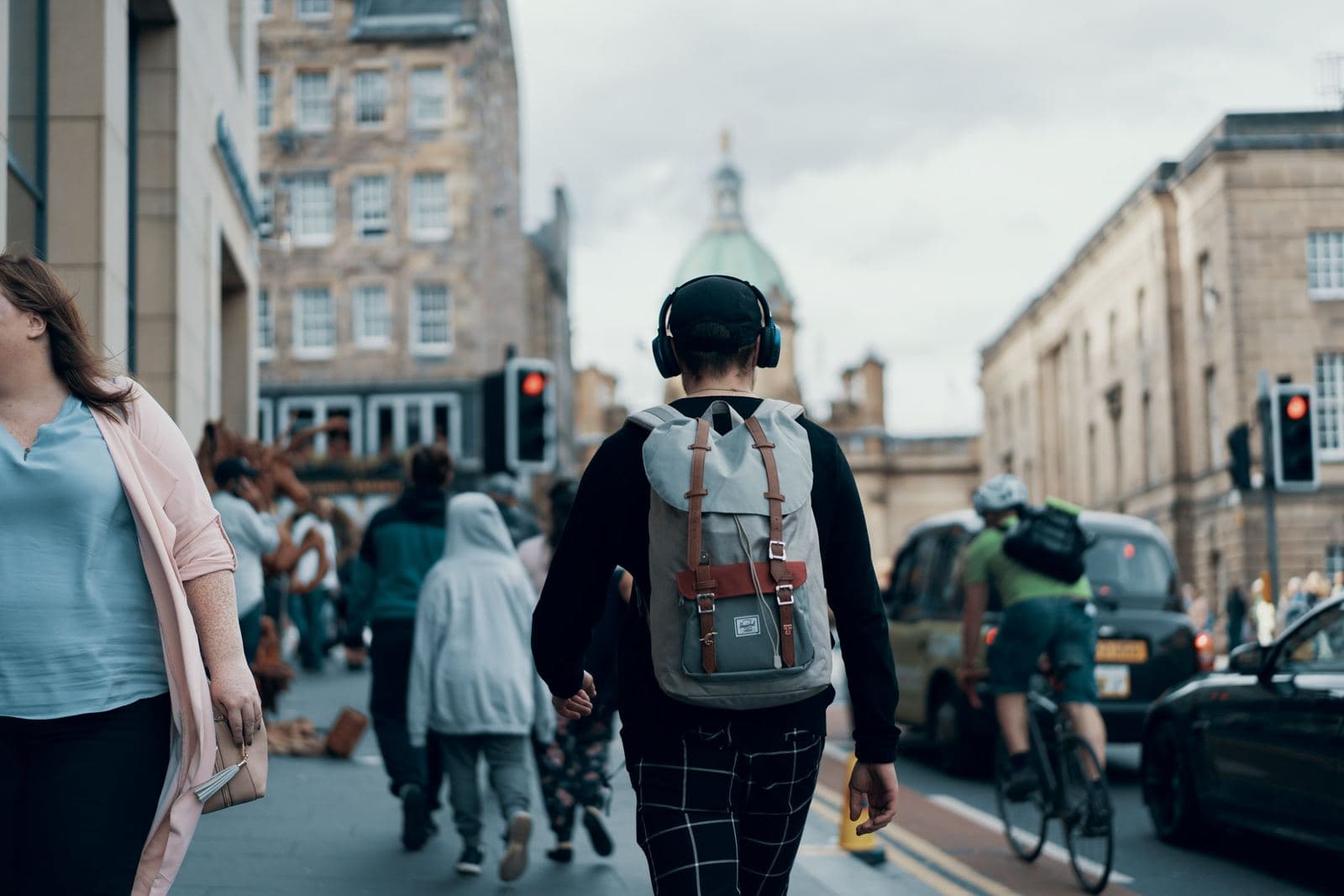
The last stretch of Edinburgh Fringe 2026 is the sharpest week of the festival: the reviews are in, the award shortlists land, and the shows that survived three weeks of word of mouth are the ones worth queuing for. Here's how to find last-minute tickets, read star ratings properly, and plan the closing weekend before it ends on 31 August.
Things to Do in Edinburgh During the Fringe 2026: Sights, Views, and Quiet Escapes Between Shows
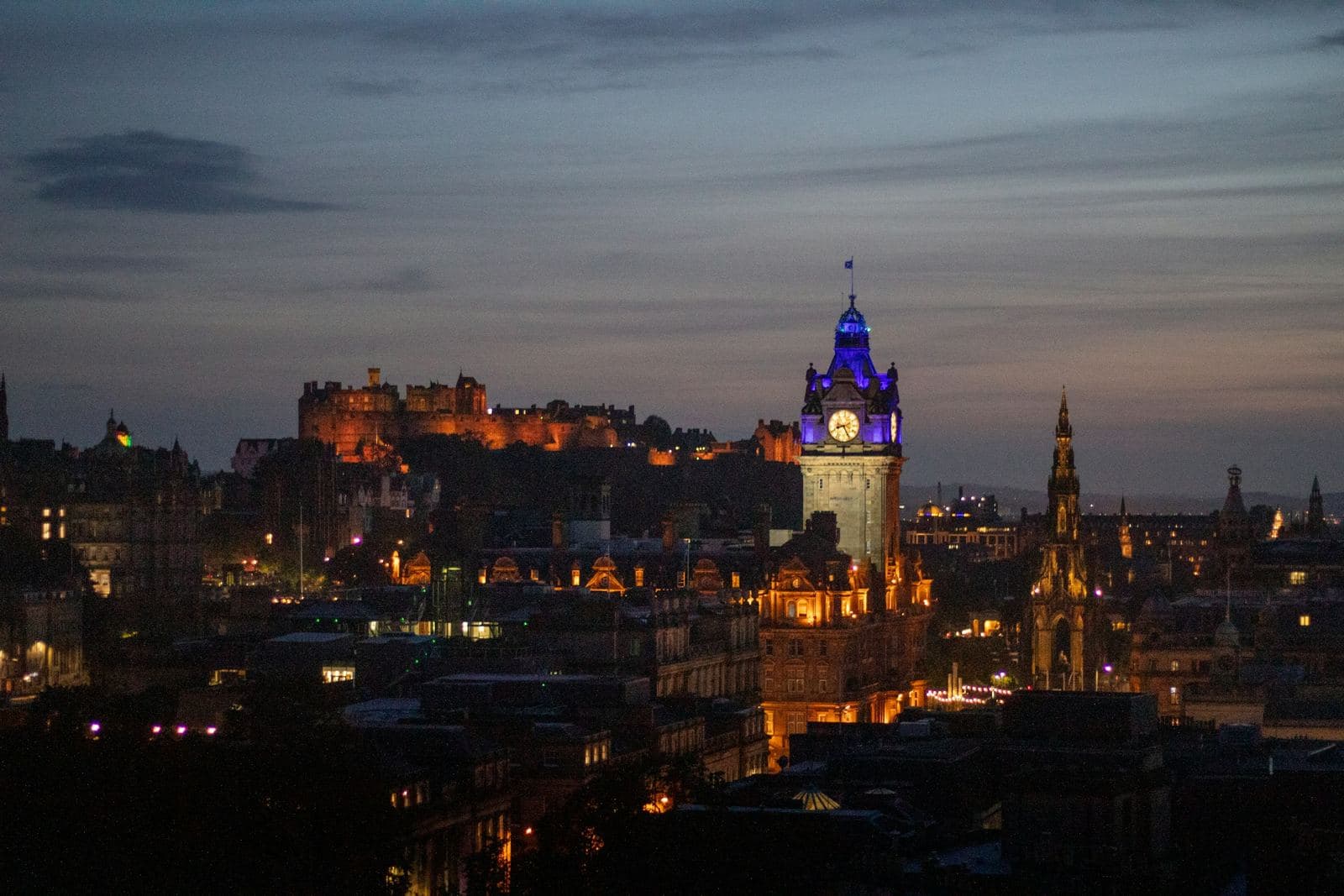
You came for the shows, but you're standing in one of the most beautiful cities in Europe. Here's how to see Edinburgh itself during Fringe 2026 - the Castle, Arthur's Seat, Calton Hill, free museums, and the quiet corners where the festival noise fades - all slotted neatly into the gaps between performances.