Edinburgh Fringe Accessibility Guide 2026: Venues, Tickets, and Getting Around
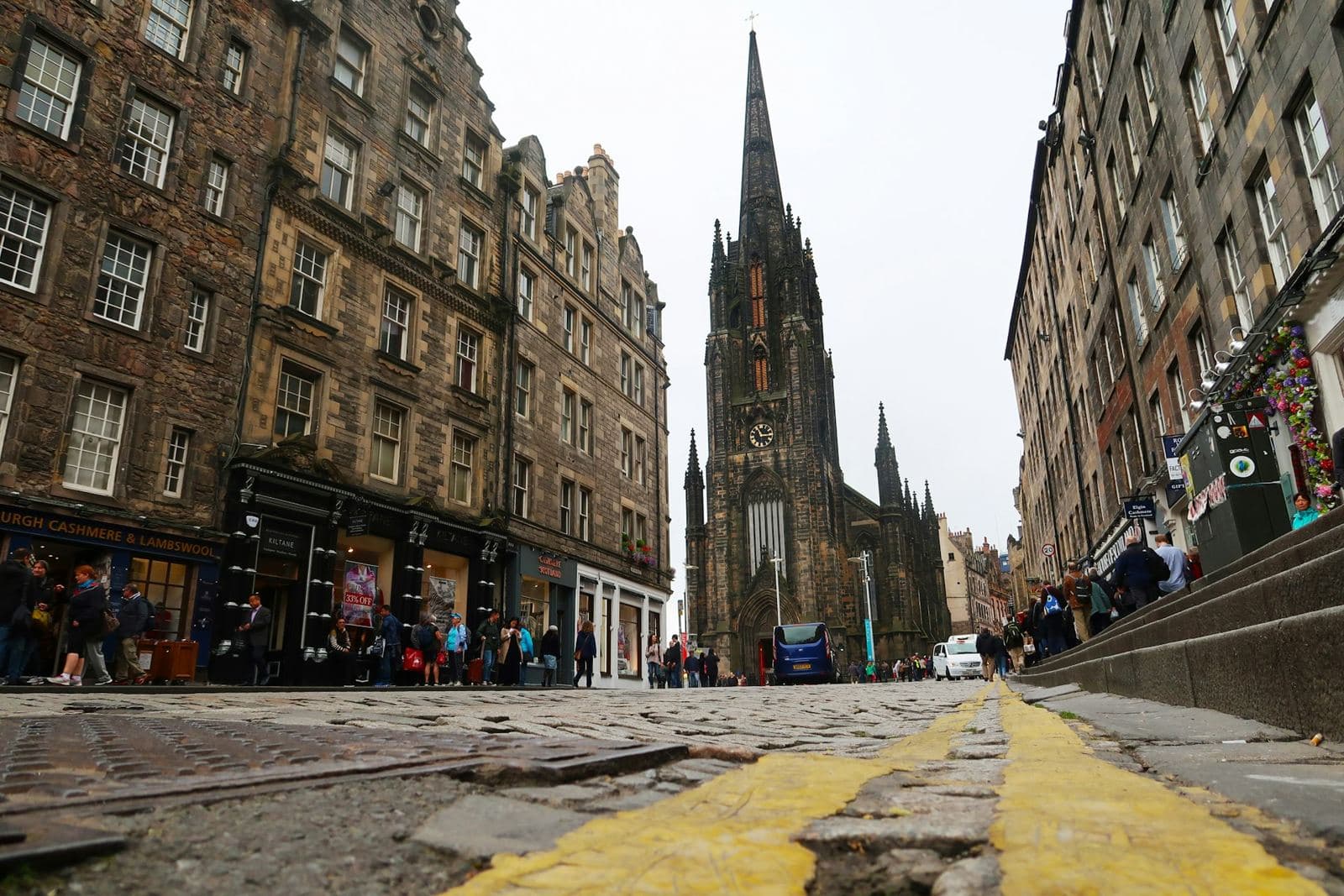
Edinburgh Fringe Accessibility Guide 2026: Venues, Tickets, and Getting Around
The Edinburgh Festival Fringe (7-31 August 2026) is the world's largest arts festival, and it takes over a medieval city built on a volcanic ridge. That combination - hundreds of temporary venues squeezed into old buildings, steep closes, and cobbled streets - can make accessibility feel daunting. It shouldn't. With some planning, the Fringe is one of the most access-aware festivals anywhere, with dedicated booking support, venue access details published for every space, and a growing programme of relaxed, captioned, BSL-interpreted, and audio-described performances.
This guide covers what to sort out before you arrive, how venue accessibility actually works at the Fringe, and how to get around Edinburgh's Old Town comfortably during festival season.
Start with the access booking service
The Fringe Society runs a dedicated access booking service, and it is the single most useful thing to know about. Registering tells the box office about your requirements once, so every booking after that already accounts for them. Through the service you can:
- Book wheelchair-accessible seating and spaces without phoning individual venues.
- Request a complimentary personal assistant (companion) ticket where you need support to attend.
- Get advice on which performances of a show have captioning, BSL interpretation, or audio description.
Register as early as you can. Accessible seating in smaller venues is limited - many Fringe spaces hold fewer than 100 people - and the best-located spots go quickly for popular shows. If you have questions the website doesn't answer, the access team at the Fringe Society responds to direct enquiries and is used to solving unusual requests.
Understanding venue accessibility at the Fringe
Here's the honest picture: the Fringe has more than 250 venues, and they range from purpose-built theatres to converted lecture halls, basements, shipping containers, and tents. Accessibility varies enormously - which is exactly why the official listings publish access information for every venue and performance.
When you browse shows, filter by the access facilities you need rather than picking shows first. The programme lets you search specifically for:
- Wheelchair access and step-free routes - note that "wheelchair accessible" at the Fringe sometimes means via a separate entrance or platform lift, so check the venue detail page for the route.
- Accessible toilets - larger venue hubs have them on site; some smaller spaces rely on facilities in a neighbouring building.
- Hearing loops - common in the bigger, permanent theatres, rarer in pop-up spaces.
- Captioned, BSL-interpreted, and audio-described performances - usually offered on specific dates rather than at every performance, so check the schedule for each show.
- Relaxed performances - adapted lighting and sound, a more informal attitude to noise and movement, and freedom to leave and return.
The big multi-space operators - the venue hubs that host dozens of shows each - tend to have the strongest access provision, with staffed access routes, viewing platforms for outdoor spaces, and trained front-of-house teams. If you want maximum flexibility to see many shows with minimum logistics, basing your day around one or two of these hubs works well. Our venue guide explains how the major venue groups are laid out across the city.
Sensory considerations: the Fringe is loud
August in Edinburgh is a sensory experience: street performers, bagpipes, crowds of tens of thousands on the Royal Mile, and queues that snake around buildings. If you or someone in your group finds that overwhelming, a few things help:
- Go early in the day. Morning shows are quieter, streets are calmer, and venues are less crowded before noon.
- Look for relaxed performances, which are designed for anyone who benefits from a less formal environment - including autistic visitors, people with sensory sensitivities, and families with young children.
- Plan quiet escapes. Princes Street Gardens, the Meadows, and smaller museums offer low-stimulation breaks a short distance from the busiest streets.
- Ask venues about quiet spaces. Several of the larger hubs set aside calm rooms during the festival.
Getting around the Old Town
Edinburgh's Old Town is beautiful and genuinely challenging terrain: the Royal Mile runs down a steep spine, many of the connecting closes are stepped, and cobbles (setts) cover most of the historic streets. Practical advice:
- Plan routes along the contours, not across them. Moving along the Royal Mile or along the Cowgate is manageable; cutting between them often involves steep steps. George IV Bridge and the Mound are the friendlier north-south connections.
- Allow more time than the map suggests. Festival crowds slow everyone down, and step-free routes can be less direct.
- Buses and taxis are your friends. Edinburgh's public buses are low-floor and wheelchair accessible, and black cabs with ramps are plentiful (though in high demand in August). The tram line connects the airport to the city centre step-free.
- Blue Badge parking exists but is scarce in August, with some streets closed entirely for the festival. If you can avoid driving into the Old Town, do.
For street performances, the main Royal Mile stages have designated accessible viewing areas - arrive a little before a headline slot to use them. See our street events guide for where the stages are.
Budgeting and booking tips
Access doesn't have to cost more, but it rewards booking ahead:
- Companion tickets through the access booking service are free - budget for one ticket, not two.
- Captioned and BSL-interpreted performances are usually on specific dates; book those first and build the rest of your schedule around them.
- If a show you want has no accessible performance listed, contact the venue - additional access performances are sometimes added during the run when there's demand.
Our budget guide and ticket guide cover the general money-saving tactics that apply to everyone.
A realistic bottom line
Not every one of the Fringe's thousands of shows will be accessible to every visitor - that's the honest truth of a festival that colonises medieval basements and spiegeltents. But the infrastructure for planning around that is better than at almost any comparable event: access information is published venue by venue, the booking service removes most of the friction, and staff across the big venues expect and welcome disabled visitors. Decide what you need, register early, filter the programme by access facilities, and build your days around venues that work for you.
For everything else - dates, weather, packing, and where to stay - start with our first-timer's planning guide and the accessibility page for the latest venue-specific updates.
More from The Mercat
Edinburgh Fringe 2027: Expected Dates, When Tickets Go On Sale, and How to Plan Now
Edinburgh Fringe 2026 closes on 31 August, and the smartest planning for next year starts the week it ends. Here are the expected Edinburgh Fringe 2027 dates, how the ticket and programme calendar actually works, what to book right now, and a month-by-month timeline from September to August.
Edinburgh Fringe 2026 Final Week: Award Shortlists, Last-Minute Tickets, and the Best Shows Left
The last stretch of Edinburgh Fringe 2026 is the sharpest week of the festival: the reviews are in, the award shortlists land, and the shows that survived three weeks of word of mouth are the ones worth queuing for. Here's how to find last-minute tickets, read star ratings properly, and plan the closing weekend before it ends on 31 August.
Things to Do in Edinburgh During the Fringe 2026: Sights, Views, and Quiet Escapes Between Shows
You came for the shows, but you're standing in one of the most beautiful cities in Europe. Here's how to see Edinburgh itself during Fringe 2026 - the Castle, Arthur's Seat, Calton Hill, free museums, and the quiet corners where the festival noise fades - all slotted neatly into the gaps between performances.