Edinburgh Fringe on a Budget: How to Do the 2026 Festival for Less
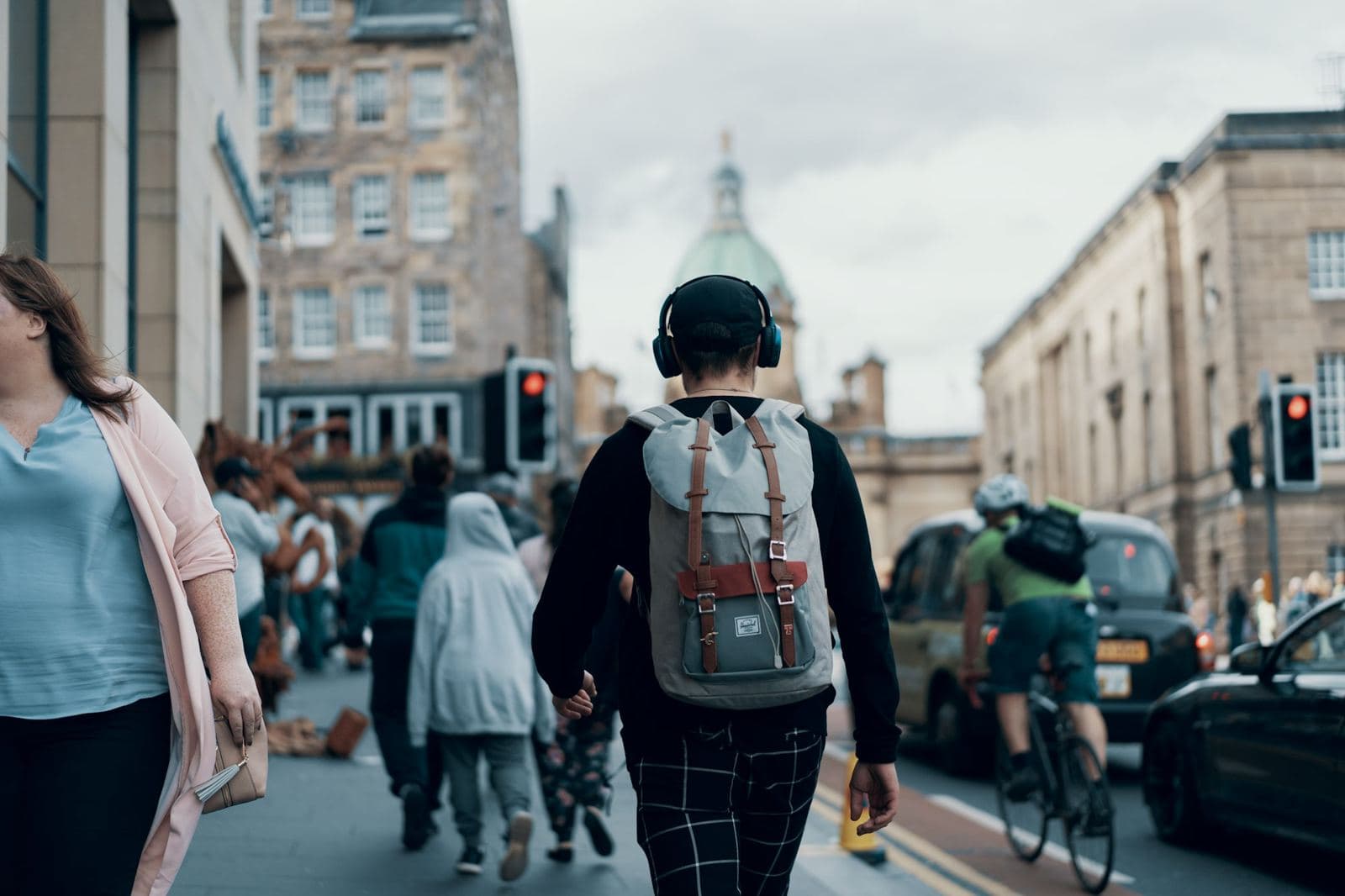
Edinburgh Fringe on a Budget: How to Do the 2026 Festival for Less
The Edinburgh Festival Fringe has a reputation for being expensive, and August in Edinburgh certainly can be. But here's the thing seasoned Fringe-goers know: some of the best festival experiences cost nothing at all, and with a little planning you can fill three or four days with world-class comedy, theatre, and street performance for less than the price of a single West End night out.
The 2026 Fringe runs from 7 to 31 August. This guide covers what tickets actually cost, where the free shows hide, and how to keep food, transport, and accommodation from eating your budget alive.
What Fringe tickets really cost
There is no single Fringe ticket price, because the Fringe is an open-access festival: thousands of independent shows set their own prices. As a rule of thumb, expect big-name comedy at the main venues to sit at the top of the range, mid-scale theatre and up-and-coming comedians in the middle, and a huge long tail of shows that cost about the same as a coffee and a pastry.
A few price-savvy habits go a long way:
Book previews. The first few days of the festival are preview time, when many shows sell tickets at reduced prices and 2-for-1 deals appear. If you can travel in the opening week, you'll see the same shows for a fraction of the mid-festival price.
Check the half-price offers. The Fringe runs official day-of discounts on a rotating selection of shows. Checking what's discounted each morning is one of the oldest budget tricks in the book, and it doubles as a great way to discover shows you'd never have picked yourself.
Take a chance on unknowns. The cheapest tickets belong to performers you haven't heard of yet, and finding next year's breakout star in a 40-seat room is the entire point of the Fringe. Star ratings and flyering conversations on the Royal Mile are your friends.
Mind the booking fees. Where possible, buy at venue box offices or through the official Fringe channels and keep an eye on per-ticket fees, which add up fast across a multi-show day.
Free events: the Fringe's best-kept open secret
You could attend the Fringe for a week, see something every single day, and never buy a ticket.
Street performances. The Royal Mile and the Mound turn into open-air stages every day of the festival, with circus acts, magicians, musicians, and the gloriously unclassifiable performing from morning to evening. It's all free to watch; performers pass the hat at the end, so bring some change or a contactless card and give what you can.
The free show circuits. Beyond the street, hundreds of full-length indoor shows run on a pay-what-you-want model through the Fringe's free-show operators. Comedy dominates, but you'll find cabaret, spoken word, and theatre too. You walk in for nothing and drop what you thought the show was worth into a bucket on the way out. Budget a few pounds per show for the bucket and you're still seeing stand-up for a fifth of a ticketed price.
The city itself. Edinburgh in August is a spectacle: the Old Town closes, festival crowds fill the closes and courtyards, and people-watching from the top of Calton Hill or the Meadows costs exactly nothing.
Eating well without festival prices
Food near the main venues carries a festival premium. Three ways around it:
Go where students eat. The areas around the university - Nicolson Street, Clerk Street, and the top of Leith Walk - are full of affordable curry houses, noodle bars, and bakeries that stay reasonably priced all August.
Picnic like a local. Supermarket meal deals plus a bench in Princes Street Gardens or the Meadows is the classic Fringe lunch. On a rare sunny day it beats any food court.
Eat your big meal early. Many restaurants offer lunch or pre-theatre menus that are noticeably cheaper than the same kitchen at 8pm - which suits a Fringe schedule anyway, since evenings are prime show time.
Sleeping cheaply (or at least, less expensively)
Accommodation is the hardest part of a budget Fringe, and honesty is important here: August in Edinburgh is one of the most expensive hotel months anywhere in Europe. Your levers are timing and location.
Book as early as you possibly can. Prices only go up as August approaches. If you're reading this in July, book today rather than tomorrow.
Consider university halls. Student accommodation opens to visitors over the summer and is one of the most reliable sources of affordable, central beds during the festival.
Stay outside the centre. Neighbourhoods like Leith, Gorgie, and Portobello are on frequent bus routes and dramatically cheaper than the Old Town. Portobello throws in a beach.
Day-trip it. Towns along the rail lines - even Glasgow, under an hour away - can work as a base if you're comfortable catching a late train back after your last show.
Getting around for pennies
The festival core is compact and walkable: most venues cluster within a 25-minute walk of the Royal Mile, and walking between shows is part of the experience. When your feet give out, Edinburgh's buses are frequent, run late into the night during the festival, and offer flat fares and day tickets that make them far cheaper than taxis. Skip the car entirely - parking in central Edinburgh in August is both scarce and expensive.
A sample budget day at the 2026 Fringe
Here's what a full Fringe day can look like when you're watching your spending:
Morning: Coffee and a pastry from a bakery off the tourist drag, then a slow wander down the Royal Mile catching the first street performers of the day. Cost: breakfast plus a hat contribution.
Lunch: Meal deal in the Meadows while flyer-reading - let performers pitch their shows to you and shortlist the afternoon.
Afternoon: One pay-what-you-want comedy show, then one half-price ticket picked from the day's offers.
Evening: A preview-priced show from an act you've never heard of, chosen purely on the strength of a flyer conversation. Dinner from a Nicolson Street curry house on the way.
Night: Free late-night compilation show on the free-show circuit, bucket donation on the way out.
That's four or five shows, two solid meals, and a full festival day - for less than many people spend on a single headline ticket.
The budget mindset that makes the Fringe better
Here's the paradox of doing the Fringe cheaply: the money-saving strategies are also the discovery strategies. Previews, free shows, unknown performers, and flyering chats on the Mile aren't the compromise version of the festival - they're the festival as it was meant to work. The big names will tour to a city near you eventually. The show you saw in a sweaty basement for a bucket donation, months before anyone else knew the name? That only happens in Edinburgh in August.
Plan a little, book your bed early, keep coins for the hat, and the 2026 Fringe will meet you more than halfway.
More from The Mercat
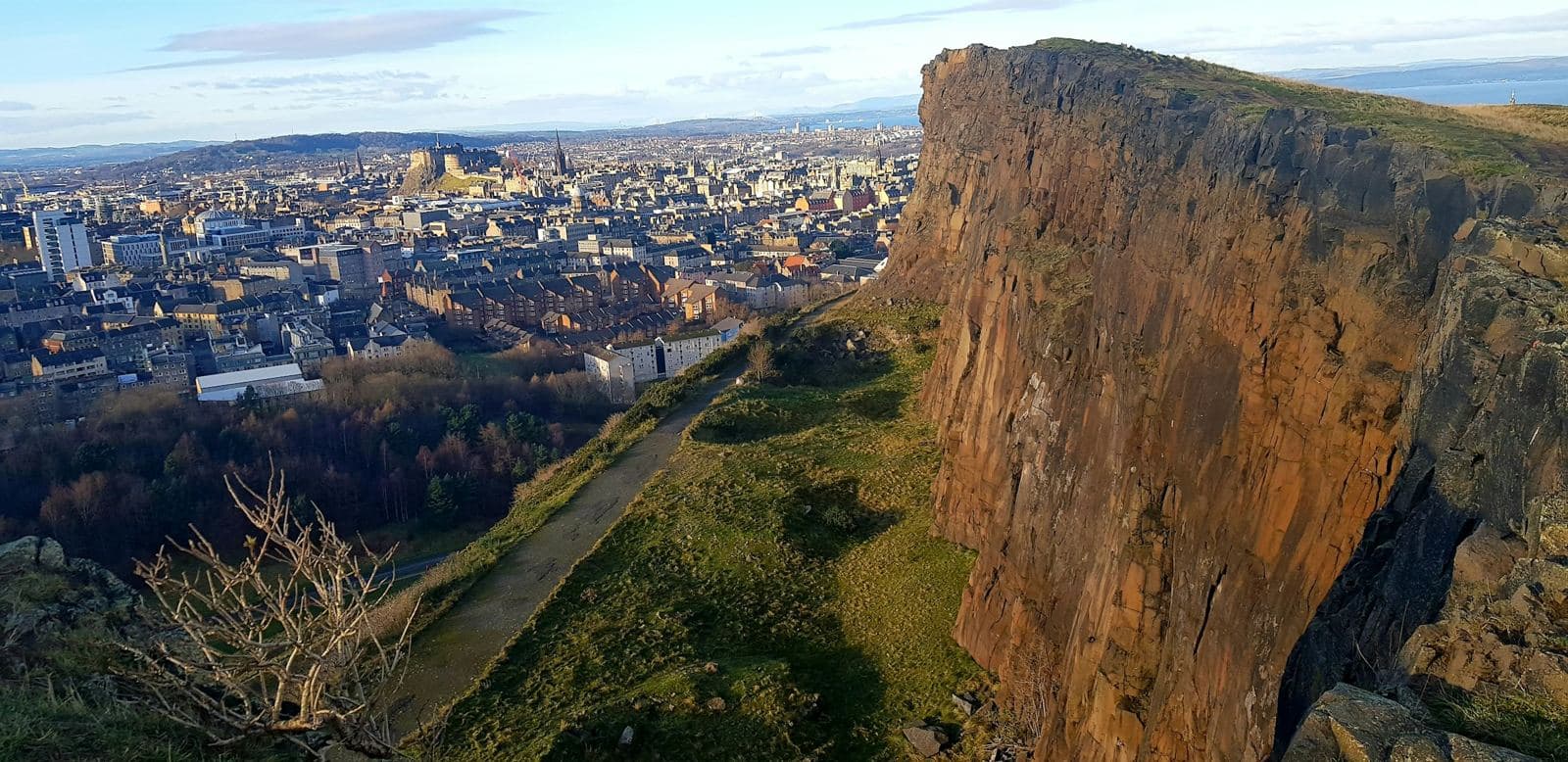
Edinburgh Fringe 2027: Expected Dates, When Tickets Go On Sale, and How to Plan Now
Edinburgh Fringe 2026 closes on 31 August, and the smartest planning for next year starts the week it ends. Here are the expected Edinburgh Fringe 2027 dates, how the ticket and programme calendar actually works, what to book right now, and a month-by-month timeline from September to August.
Edinburgh Fringe 2026 Final Week: Award Shortlists, Last-Minute Tickets, and the Best Shows Left
The last stretch of Edinburgh Fringe 2026 is the sharpest week of the festival: the reviews are in, the award shortlists land, and the shows that survived three weeks of word of mouth are the ones worth queuing for. Here's how to find last-minute tickets, read star ratings properly, and plan the closing weekend before it ends on 31 August.
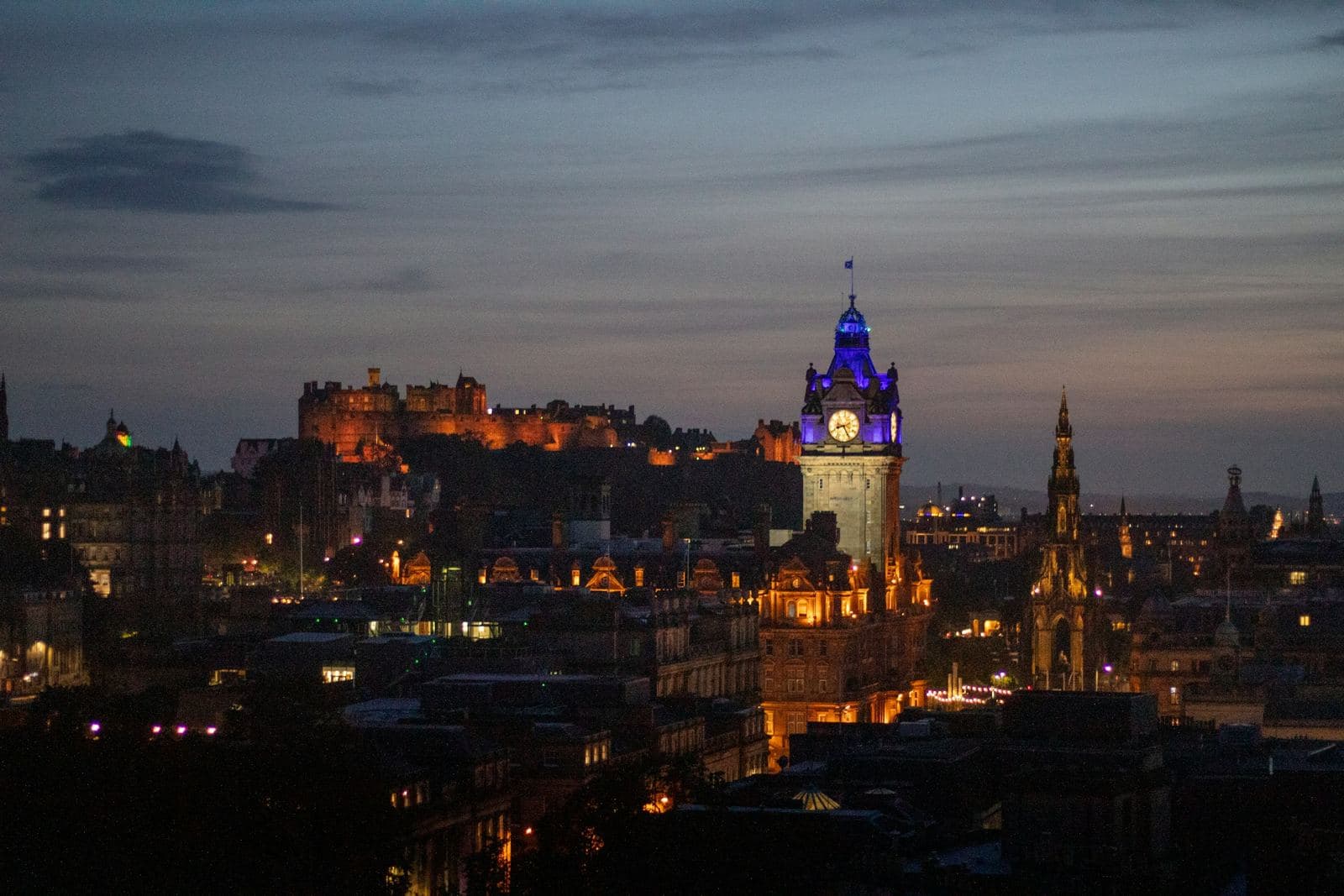
Things to Do in Edinburgh During the Fringe 2026: Sights, Views, and Quiet Escapes Between Shows
You came for the shows, but you're standing in one of the most beautiful cities in Europe. Here's how to see Edinburgh itself during Fringe 2026 - the Castle, Arthur's Seat, Calton Hill, free museums, and the quiet corners where the festival noise fades - all slotted neatly into the gaps between performances.