How to Build Your Edinburgh Fringe 2026 Schedule: Picking Shows Without Losing Your Mind

How to Build Your Edinburgh Fringe 2026 Schedule: Picking Shows Without Losing Your Mind
The Edinburgh Festival Fringe runs 7-31 August 2026, and the programme is, as always, absurd in the best way: thousands of shows across hundreds of venues, from big-name comedy to a play performed in a moving taxi. That abundance is the magic of the Fringe. It is also why so many first-timers open the show listings, scroll for an hour, and close the tab having booked nothing.
This guide is a schedule strategy, not a show list. Follow it and you'll arrive in August with a plan that holds up - one with enough structure to guarantee great days and enough slack to chase the word-of-mouth hits that define every Fringe.
Start with the shape of your trip, not the shows
Before you look at a single listing, answer three questions:
How many days do you have? A weekend trip and a two-week stay need completely different strategies. With 2-3 days, you book more in advance because you can't afford a dud day. With a week or more, you book less and let the festival come to you.
What's your daily capacity? Most Fringe shows run about an hour. Seasoned Fringe-goers comfortably manage 3-5 shows a day; ambitious ones hit 6 or 7. Be honest about your stamina - queuing, walking the Old Town's hills, and late-night comedy add up fast.
What's your budget? Ticket prices mostly sit in the £8-£15 range, with bigger names higher. Decide your total ticket budget up front, and check our budget guide and ticket budget calculator to sanity-check it.
The 60/40 rule: book some, leave room
The single biggest scheduling mistake is booking every slot before you arrive. The second biggest is booking nothing.
The sweet spot for most visitors: pre-book about 60% of your capacity and leave 40% open. Pre-book the things that will sell out - big names, buzzy transfers, anything in a small room with a good review attached. Leave the rest open for what you hear about in queues, at the street events on the Royal Mile, and from strangers in venue bars. Word of mouth is the Fringe's real recommendation engine, and it only works if you have gaps to fill.
How to shortlist from thousands of show listings
Don't browse the full programme cold. Filter it down in passes:
- Pick 2-3 genres you actually love. Comedy, theatre, cabaret, circus, music, kids' shows, spoken word. Ruthlessly ignore the rest on the first pass.
- Filter by time of day. If you're not a morning person, drop everything before noon. If you're traveling with kids, prioritize daytime - our family guide covers this in detail.
- Star generously, then cut. Shortlist 30-40 shows, then force-rank the top 10 you'd be gutted to miss. Those are your pre-books.
- Check the venue spread. If your top 10 are scattered across town, swap some picks. Clustering shows around one or two venue hubs saves you 20-30 minutes of walking between each - see our venues guide for how the Big Four and the smaller hubs are laid out.
Build days around anchors and gaps
A good Fringe day has a skeleton: one or two anchor shows you've booked, with flexible space around them.
Leave at least 30 minutes between shows in the same area, and 45-60 minutes if you're crossing town. Edinburgh in August is crowded, hilly, and cobbled; the map lies about how fast you can move. Our Fringe planner helps you lay out each day, and the schedule gap checker will flag transitions that are too tight before they wreck an afternoon.
Plan meals like shows. Book a lunch gap and a dinner gap, or you'll end up eating a cereal bar in a queue at 9pm. It happens to everyone exactly once.
Use the calendar to your advantage
Not all Fringe days cost the same:
- Previews (the first weekend, 7-9 August): Many shows offer cheaper preview tickets while performers fine-tune. The shows are 95% there; your wallet notices the difference.
- 2for1 days (Monday 10 and Tuesday 11 August): Most participating shows offer two tickets for the price of one. These two days are the best value of the entire festival - stack your riskier picks here.
- Mid-festival weekdays: Quieter streets, easier last-minute tickets, performers with energy to spare.
- Final weekend: Buzzy award-winners sell out, but the atmosphere peaks. Book ahead if you're coming late.
For everything about pricing, e-tickets, the half-price offers, and refunds, see our tickets guide.
Balance your bets
A schedule of ten safe bets is boring; a schedule of ten wild cards is exhausting. For every big-name show you book, add one show you know nothing about beyond a title that made you smile. The show you wander into on a whim in a 50-seat room is, statistically speaking, the one you'll still be talking about in December.
Free and unticketed shows are your low-risk wild cards - drop in, and if it's not for you, the Royal Mile street performers are always on.
A sample day, done right
Here's what the strategy looks like in practice for a mid-festival Saturday:
- 10:30 - Coffee and a wander down the Royal Mile; catch a street act, collect three flyers that actually look good
- 12:00 - Pre-booked family or theatre show (anchor #1)
- 13:15 - Proper lunch, booked gap
- 15:00 - Wild-card show from this morning's flyers
- 17:00 - Rest, or an early-evening cabaret if your legs agree
- 19:30 - Pre-booked headline comedy (anchor #2)
- 21:30 - Late show decided on the day, or a pub debrief
Five shows, two of them booked weeks ago, three found on the ground. That's the Fringe working as intended.
The one rule that matters
Whatever your schedule says, it's a draft. Shows will overrun, rain will send you into the nearest venue with a spare seat, and someone in a queue will insist you see a show you've never heard of. Let them. The best Edinburgh Festival Fringe schedule is the one flexible enough to be gloriously wrong.
If you're starting from zero, our first-timer's guide covers the basics - dates, booking, and what to expect - and the weather guide will tell you what to stuff in your day bag between shows.
More from The Mercat

Edinburgh Fringe 2027: Expected Dates, When Tickets Go On Sale, and How to Plan Now
Edinburgh Fringe 2026 closes on 31 August, and the smartest planning for next year starts the week it ends. Here are the expected Edinburgh Fringe 2027 dates, how the ticket and programme calendar actually works, what to book right now, and a month-by-month timeline from September to August.

Edinburgh Fringe 2026 Final Week: Award Shortlists, Last-Minute Tickets, and the Best Shows Left
The last stretch of Edinburgh Fringe 2026 is the sharpest week of the festival: the reviews are in, the award shortlists land, and the shows that survived three weeks of word of mouth are the ones worth queuing for. Here's how to find last-minute tickets, read star ratings properly, and plan the closing weekend before it ends on 31 August.
Things to Do in Edinburgh During the Fringe 2026: Sights, Views, and Quiet Escapes Between Shows
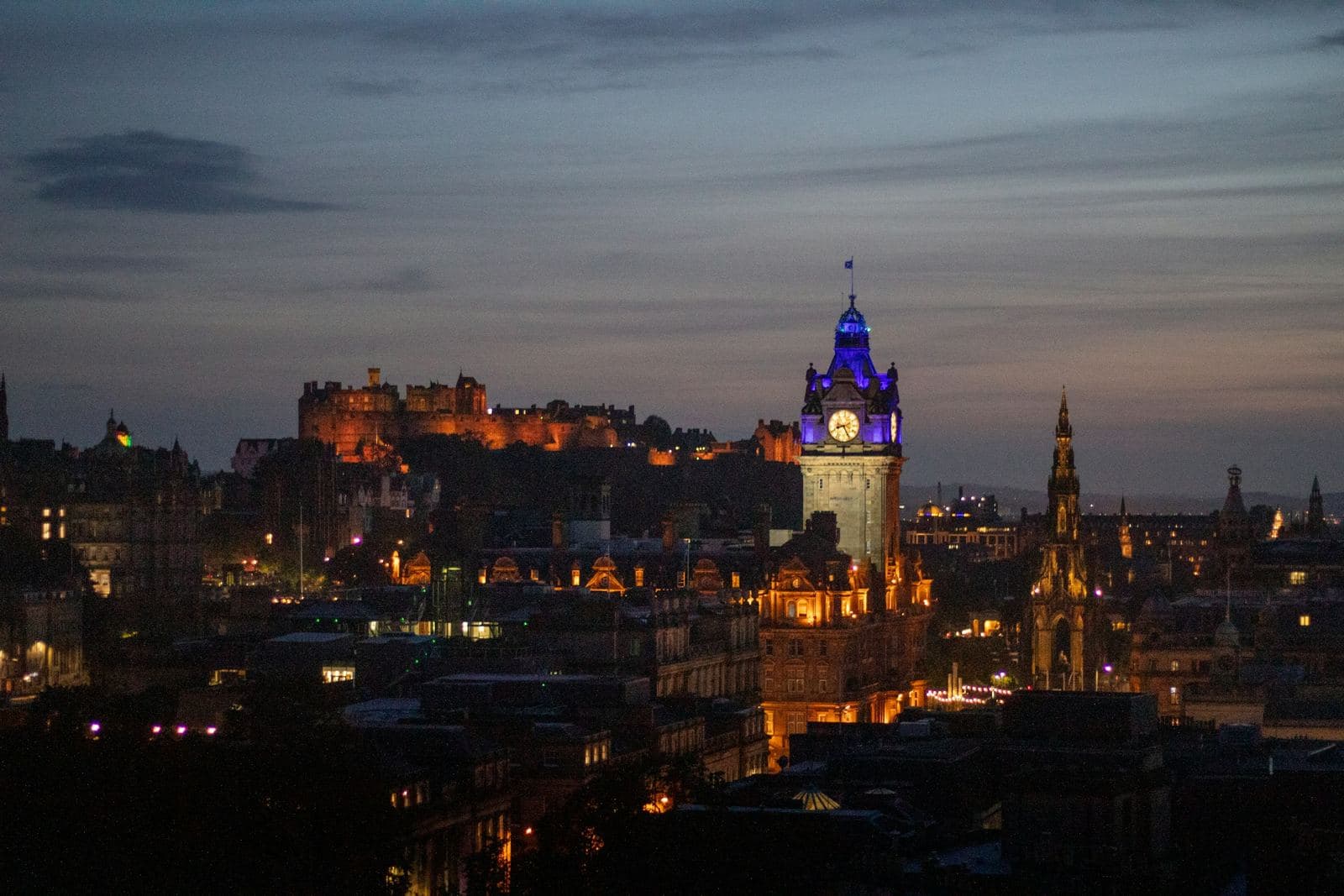
You came for the shows, but you're standing in one of the most beautiful cities in Europe. Here's how to see Edinburgh itself during Fringe 2026 - the Castle, Arthur's Seat, Calton Hill, free museums, and the quiet corners where the festival noise fades - all slotted neatly into the gaps between performances.