Edinburgh Fringe 2026: The First-Timer's Complete Planning Guide

You've decided to go. The world's largest arts festival, three weeks of controlled chaos in one of Europe's most beautiful cities - and roughly 3,600 shows across hundreds of venues to choose from. The only problem? Knowing where to start when you're figuring out how to plan Edinburgh Fringe for the very first time.
This guide cuts through the noise. No listicles, no hype - just a clear, honest method for building a Fringe that actually fits you.
Edinburgh Fringe 2026 Dates: When Is It?
The Edinburgh Festival Fringe 2026 runs from Friday 7 August to Monday 31 August - 25 days in total. That's confirmed on the official edfringe.com website.
A few things worth knowing around those dates:
- The official programme launched on 4 June 2026. You can browse and book shows now at edfringe.com, or pick up a free printed programme from the Fringe Shop at 180 High Street once you arrive.
- Some shows preview before 7 August. A handful of productions start as early as 5-6 August, with lower-priced preview tickets available for those early dates.
- Edinburgh in August is festival city. The Fringe runs alongside the Edinburgh International Festival (7-30 Aug), the Edinburgh Art Festival (14-30 Aug), the Edinburgh International Book Festival (15-30 Aug), and the Edinburgh International Film Festival (13-19 Aug). You're not just buying a Fringe trip - you're buying August in Edinburgh.
Best Time to Visit Edinburgh Fringe: Previews, Peak, and the Final Week
There's no single "best" week - but there are three very different experiences, and knowing which suits you is half the battle.
Week 1 (7-13 Aug): Preview Energy
The opening days are quieter, cheaper, and genuinely exciting if you like being part of the creative process. Preview performances often carry reduced ticket prices, and you can spot them on the edfringe.com show calendar by the darker navy-blue date boxes. Crowds are thinner, accommodation is slightly more manageable, and you'll have an easier time walking up to shows on the day.
The trade-off: some performers are still finding their feet, and a few headline acts don't arrive until week two. Think of it as the Fringe at its most raw and spontaneous.
Weeks 2-3 (14-24 Aug): Peak Fringe
By the second week, the reviews are out, the buzz is building, and the city is absolutely heaving. This is when the atmosphere is at its most electric - and when the most talked-about shows sell out fastest. If you want the full, high-energy Fringe experience with the complete programme running, this is your window. Book popular shows well in advance; walk-up tickets for hot acts become very hard to find.
Final Days (25-31 Aug): Wind-Down and Bargains
The last week has a bittersweet, reflective quality. Some performers are wrapping up their runs, prices ease slightly, and the city starts to breathe again. Rush tickets and last-minute deals are more common. The festival closes with a spectacular fireworks display from Edinburgh Castle on the final Sunday - a genuinely memorable way to end a trip.
How to Book Shows and Navigate the Edinburgh Festival Fringe Schedule
The Fringe is open-access - there is no selection committee, and anyone may participate with any type of performance. That's what makes it thrilling, and also why curation and word-of-mouth matter so much. Quality varies wildly. A show in a converted shipping container might be the best thing you see all week; a big-name venue might disappoint. Go in with an open mind.
Finding Shows
- edfringe.com is your primary tool. Use the genre filters, the "special pricing: free" filter for no-cost shows, and the star-rating system once reviews start appearing after week one.
- The official EdFringe app lets you build a shortlist, track bookings, and check schedules on the go - essential when you're navigating a busy day.
- Word of mouth on the ground. Ask venue staff, fellow audience members, and the performers flyering on the Royal Mile what they've seen and loved. Some of the best discoveries come from a stranger's recommendation.
Booking Tickets
The Fringe Box Office charges a booking fee of £1.50 per ticket in 2026, up to a maximum of £9 per transaction. This fee is now included in the advertised ticket price, so what you see is what you pay. You can book online, via the app, by phone (+44 131 226 0000), or in person at the Fringe Box Office on Old Assembly Close, High Street.
All 2026 shows are e-ticketed - your QR code arrives by email and lives in the app. Screenshot it before you head out; mobile signal in Edinburgh's stone basements is not always reliable.
Building a Sane Daily Schedule (Without Burning Out)
First-timers almost always over-book. The programme is intoxicating, and it's tempting to pack in five or six shows a day. Resist.
Edinburgh's streets can get extremely busy in August, and even venues that appear close together can take significant time to move between. A show that ends at 3pm in Pleasance Courtyard and starts at 3:30pm at Assembly George Square is theoretically doable - until you factor in the post-show crowd, the queue for the next venue, and the fact that your legs are already tired from cobblestones.
A realistic daily shape looks like this:
- Morning: One show or a slow start with coffee and the programme. Mornings are quieter and a good time for spontaneous walk-up tickets.
- Afternoon: One or two shows, with a gap between them. Use the gap to eat, sit in a venue courtyard, or wander the Royal Mile and catch free street performances.
- Evening: One ticketed show, then a late-night option if you have the energy - the Fringe's late-night comedy and cabaret scene is genuinely special.
Leave at least one afternoon completely unscheduled. The best Fringe moments are often the ones you didn't plan.
Edinburgh Fringe Budget Tips: How to Do It Without Breaking the Bank
Edinburgh in August is expensive. Hotels, restaurants, and transport all price up for the festival. But the Fringe itself has a genuinely democratic spirit, and with a little strategy you can see a huge amount for very little.
Free and Pay-What-You-Want Shows
There are two major Free Fringe organisations - PBH Free Fringe and the Free Edinburgh Fringe Festival - which run programmes of events that are exclusively free. These shows operate on a pay-what-you-want bucket collection at the end. You're not obligated to give anything, but most people contribute what they can - even a pound or two is appreciated and costs far less than a ticketed show.
Free shows are often held in pub back rooms and small venues. They're first-come, first-served, so arrive 10-15 minutes early. Use the "free" filter on edfringe.com to find them.
Half-Price Tickets and 2-for-1 Deals
- The Half Price Hut at the Fringe Box Office (Old Assembly Close, High Street) sells same-day and next-morning half-price tickets. It opens from the first Wednesday of the festival. Queues can form, so go early for popular shows.
- 2-for-1 ticket days happen in the opening days of the Fringe - check edfringe.com for the exact 2026 dates, as they're confirmed closer to the festival.
- Preview tickets in the first few days of a show's run are often cheaper than the main run price.
Paid Show Prices
Tickets for paid Fringe shows typically range from pay-what-you-want up to around £20 per person, with most performances priced between £10-15. That's significantly cheaper than West End or touring theatre - you can see multiple shows for the price of a single premium London ticket.
Food and Getting Around
- Eat away from the Royal Mile. The closer you are to the main drag, the more you'll pay. Grassmarket, Leith Walk, and Bruntsfield have excellent, affordable options.
- Walk between venues. Most Fringe venues cluster in Old Town and the surrounding areas. Walking is almost always faster than a taxi in August, and it's free.
- Lothian Buses run frequent services and offer day tickets - useful if you're staying outside the city centre or heading to venues further afield.
Where to Stay and Getting Around Edinburgh
The Fringe takes place across more than 300 venues throughout Edinburgh, ranging from grand theatres to intimate pubs, university lecture halls, and converted shipping containers. Most cluster in a handful of walkable zones: Old Town (the historic heart, Royal Mile, Cowgate), Pleasance (a short walk south), Bristo Square/Potterrow, and George Square.
Staying in or near Old Town puts you within walking distance of the majority of shows. If you're on a tighter budget, Leith and Newington are well-connected by bus and significantly cheaper.
Getting around:
- Walk - Edinburgh is compact, and most venues are within 20 minutes of each other on foot. Wear comfortable shoes; the cobblestones are unforgiving.
- Lothian Buses and trams - reliable, affordable, and often faster than a taxi in August traffic.
- Avoid driving - parking is extremely limited in August, and the city centre is best navigated on foot.
Weather and What to Pack for August in Edinburgh
Don't let anyone tell you Edinburgh in August is reliably warm. It isn't. Daytime temperatures in Edinburgh in August typically reach around 18°C (64°F), falling to around 10-11°C at night. There are usually around 13-16 rainy days across the month, though showers tend to be brief rather than all-day downpours.
The classic Edinburgh August experience involves sunshine, a sudden shower, a brisk wind, and then sunshine again - sometimes within the same hour.
Pack this, no exceptions:
| Item | Why |
|---|---|
| Lightweight waterproof jacket | Showers arrive without warning |
| Layers (t-shirts + a mid-layer) | Temperatures swing between venues and outdoors |
| Comfortable walking shoes | Cobblestones + long days = sore feet |
| Small daypack | Carry your programme, snacks, and a spare layer |
| Portable phone charger | The EdFringe app is your lifeline; keep it charged |
| Some cash | Free Fringe bucket collections; some small venues are cash-preferred |
First-Timer Mistakes to Avoid
Even well-prepared visitors fall into the same traps. Here's what to watch for:
Over-booking your schedule. Three shows a day is plenty. Four is ambitious. Five is a recipe for exhaustion and resentment. Leave gaps.
Ignoring the open-access reality. The Fringe is uncurated - anyone can perform. A five-star review from a trusted source matters far more than a venue's prestige. Read reviews after week one, ask locals, and be willing to take a risk on something unknown.
Booking accommodation too late. This is the single biggest practical mistake. Prices rise sharply as August approaches, and availability shrinks fast. Book as early as possible, ideally with free cancellation so you can swap if something better appears.
Spending all your time on the Royal Mile. The street performances there are wonderful (we have a full guide to them if you want to go deeper), but the most interesting Fringe work often happens in smaller, off-the-beaten-track venues. Explore.
Not leaving time for the city itself. Edinburgh in August is extraordinary. Arthur's Seat, the National Museum of Scotland, Greyfriars Kirkyard, the view from Calton Hill - these don't disappear when the Fringe is on. Build in time to be a tourist as well as a festival-goer.
Forgetting to screenshot your e-tickets. All 2026 shows use QR code e-tickets. Mobile signal in stone basements is unreliable. Screenshot your tickets before you leave your accommodation each morning.
Do I need to book shows in advance, or can I turn up on the day?
Both work, but the balance depends on when you visit. In the opening week, walk-up tickets are easier to find. By weeks two and three, popular shows - especially comedy headliners - can sell out days in advance. A good strategy: pre-book one or two shows you really want to see each day, then leave the rest of your time flexible for spontaneous discoveries and Half Price Hut bargains.
How many shows should I try to see per day?
Two to three is a comfortable pace for most people. It leaves time to eat, walk between venues, and enjoy the atmosphere without turning the Fringe into a sprint. The official Fringe advice is to pace yourself - the goal is your own experience, not a high score.
Is the Edinburgh Fringe suitable for children?
Yes - there's a dedicated children's programme with shows for all ages, clearly labelled in the programme. Check age guidance carefully, as many comedy and late-night shows are strictly 18+. The free street performances on the Royal Mile are family-friendly and a great starting point.
What's the difference between the Fringe and the Edinburgh International Festival?
The Edinburgh International Festival is a curated, ticketed programme of classical music, opera, theatre, and dance - big-budget, big-name productions. The Fringe is open-access: anyone can perform, quality varies enormously, and tickets are generally much cheaper. Both run simultaneously in August and complement each other beautifully.
Can I do the Fringe on a tight budget?
Absolutely. Between the Free Fringe (pay-what-you-want shows), the Half Price Hut, preview tickets, and the free street performances, it's entirely possible to have a rich Fringe experience spending very little on shows. Accommodation is where the real cost lies - book early, consider staying outside the city centre, and look at university halls of residence.
You're Ready. Now Go and Discover Something Extraordinary.
The Edinburgh Festival Fringe rewards the curious and the flexible. Come with a loose plan, a waterproof jacket, comfortable shoes, and a genuine willingness to be surprised. Book the one or two shows you'd be devastated to miss, leave the rest of your days open, and let the city do the rest.
In 2025, the Fringe sold more than 2.6 million tickets across 3,893 shows and 301 venues, with participants from 68 countries. In 2026, it'll be just as vast, just as unpredictable, and just as unmissable. The only bad Fringe is the one you didn't go to.
Answer three questions and get a realistic shows-per-day plan, the venue zone to base yourself in, and what to book first.
Plan your Fringe days →More from The Mercat
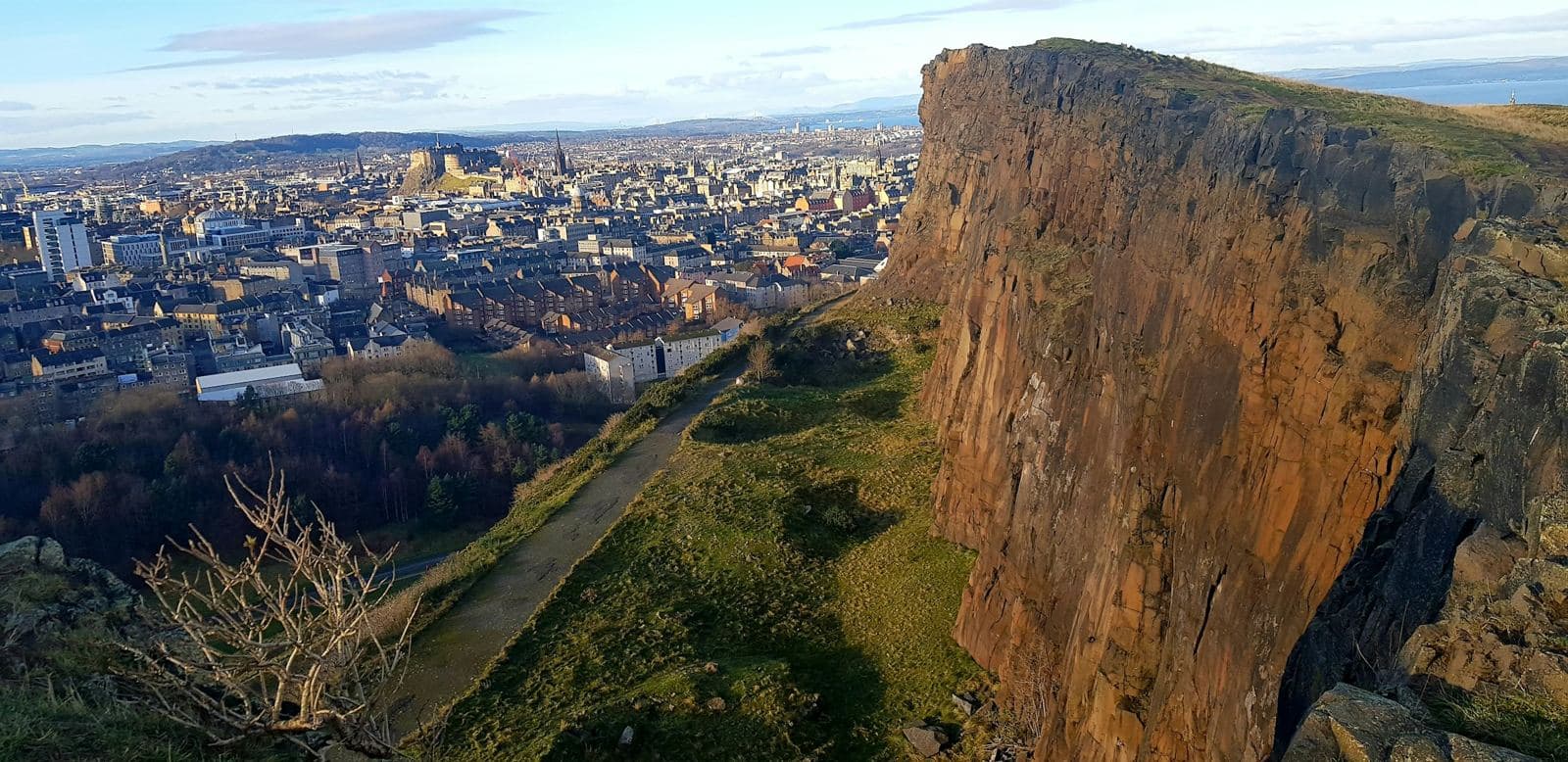
Edinburgh Fringe 2027: Expected Dates, When Tickets Go On Sale, and How to Plan Now
Edinburgh Fringe 2026 closes on 31 August, and the smartest planning for next year starts the week it ends. Here are the expected Edinburgh Fringe 2027 dates, how the ticket and programme calendar actually works, what to book right now, and a month-by-month timeline from September to August.
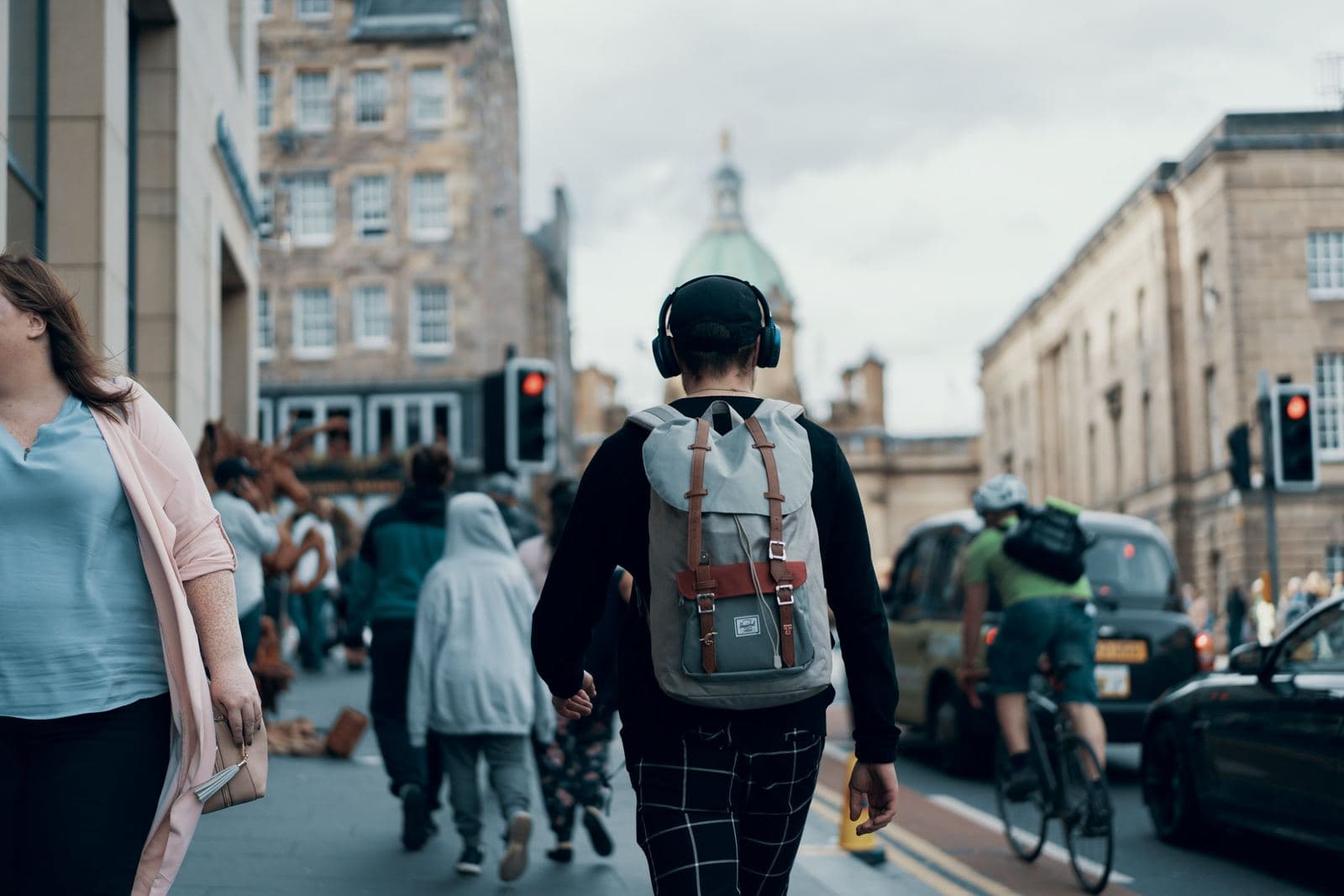
Edinburgh Fringe 2026 Final Week: Award Shortlists, Last-Minute Tickets, and the Best Shows Left
The last stretch of Edinburgh Fringe 2026 is the sharpest week of the festival: the reviews are in, the award shortlists land, and the shows that survived three weeks of word of mouth are the ones worth queuing for. Here's how to find last-minute tickets, read star ratings properly, and plan the closing weekend before it ends on 31 August.
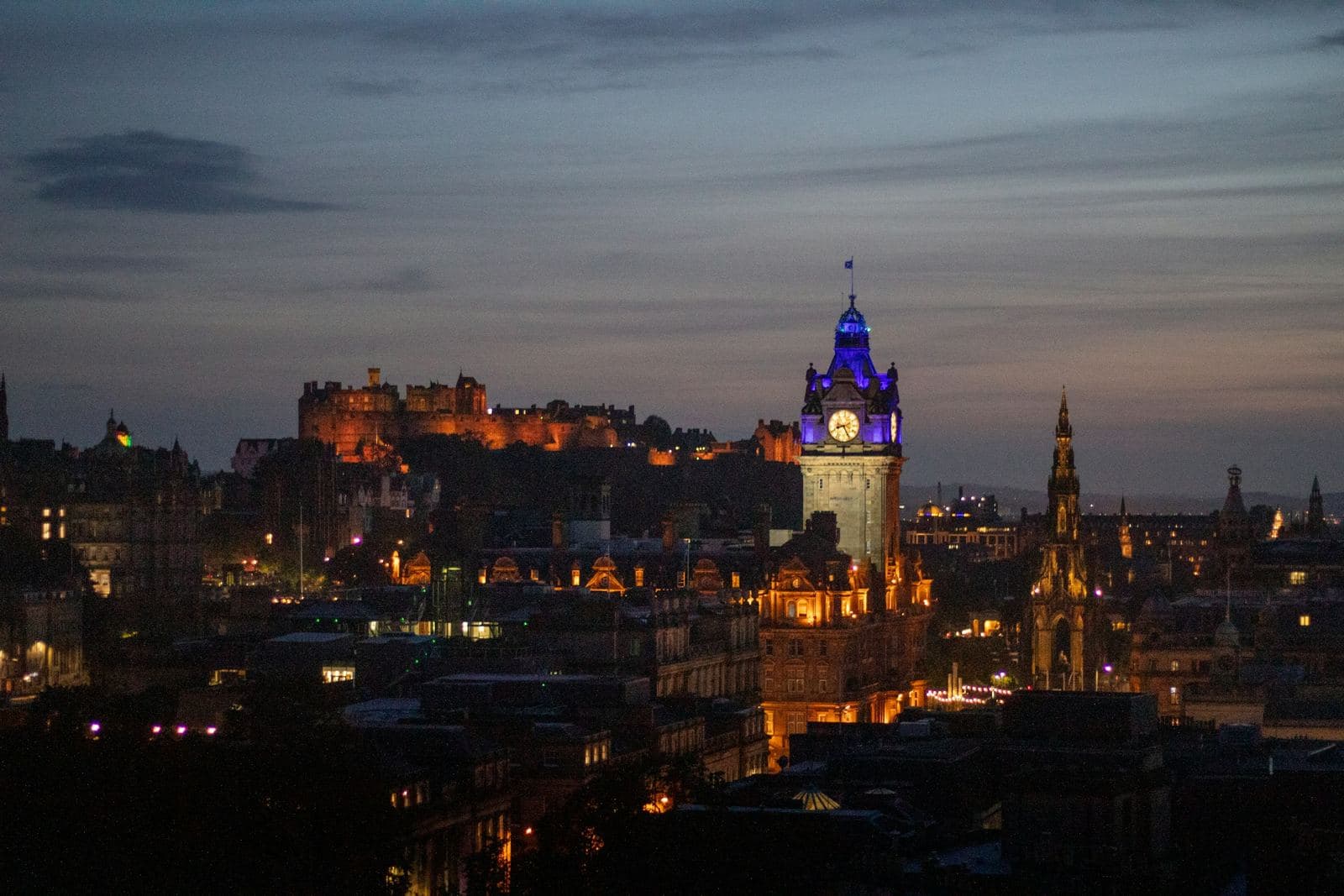
Things to Do in Edinburgh During the Fringe 2026: Sights, Views, and Quiet Escapes Between Shows
You came for the shows, but you're standing in one of the most beautiful cities in Europe. Here's how to see Edinburgh itself during Fringe 2026 - the Castle, Arthur's Seat, Calton Hill, free museums, and the quiet corners where the festival noise fades - all slotted neatly into the gaps between performances.